Pafone Wuzopo logo
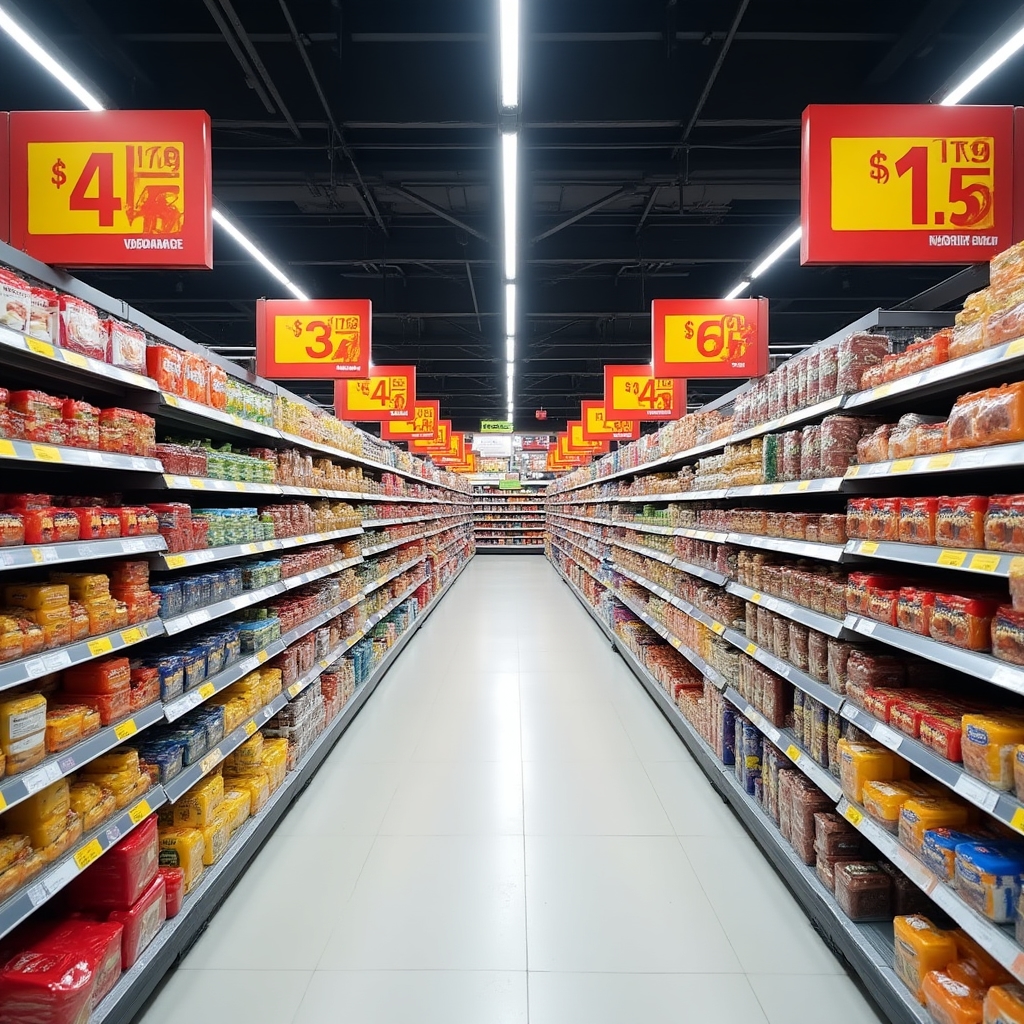
Supermarket shelf layout designed to influence purchasing decisions

Behavioural Economics

Your brain shops before you do.

Why Mega Image's layout, eMAG's crossed-out prices, and the word "ultimele bucăți" cost you more than you realise. Explained through published research.

Behavioural Economics Cognitive Bias Decision Science Romania Academic Research Spending Psychology

Not a money blog. Not therapy. Not advice.

Pafone Wuzopo is a publication that applies behavioural economics research to the specific retail and digital shopping environments Romanians encounter daily. We look at the mechanisms behind ordinary spending decisions. The shelf at Mega Image is not arranged by accident. The crossed-out price on eMAG is not there to inform you. These are studied, documented phenomena with names, peer-reviewed papers, and measurable effects.

We do not tell you what to buy or how to save money. We describe what happens in your decision-making apparatus when you encounter specific stimuli. The understanding is yours to use however you choose.

What We Never Do
Core Topics

Four forces shaping every purchase

Shelf Architecture

Planogram design places high-margin products at eye level and uses category adjacency to trigger unplanned purchases. Research by Drèze, Hoch and Purk (1994) documented measurable lift from position alone. Romanian supermarkets apply identical principles.

Read more

Anchoring & Price Framing

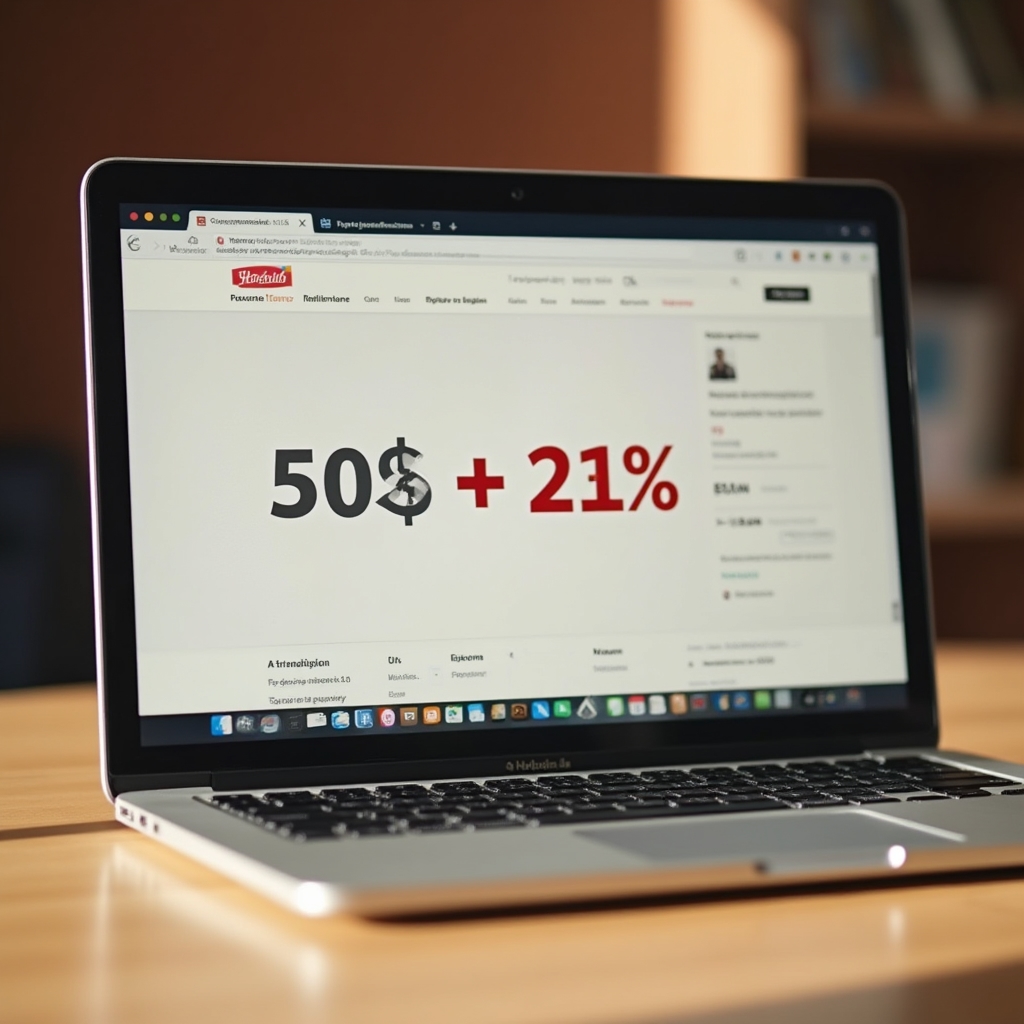
Tversky and Kahneman's anchoring effect means the first number you see distorts every evaluation that follows. A crossed-out price at eMAG is not information about the past. It is a cognitive anchor placed precisely to make the current price feel like relief.

Read more

Payment Medium Effects

Prelec and Simester's research on the "coupling" between payment and consumption shows card payments reduce the psychological pain of spending. The physical absence of cash changes the felt cost of a transaction in ways that accumulate significantly over a month.

Read more

Friction & Pause Effects

Inserting deliberate friction into a purchase path activates System 2 thinking. A thirty-second pause before clicking "plătește" is not a trick. It is a documented intervention that shifts processing from automatic to reflective. The research on implementation intentions supports this precisely.

Read more
30
seconds
The Pause Intervention

A thirty-second pause before "plătește" changes your monthly total.

This is not a mindfulness recommendation. It is a description of how dual-process cognition works. System 1 processes fast, automatic, and pattern-driven. System 2 is slow, deliberate, and effortful. Online checkout flows are designed to keep you in System 1. The friction of a pause shifts processing mode.

Gollwitzer's research on implementation intentions shows that pre-committing to a specific pause before a decision point changes the decision itself. The mechanism is documented. The application to online shopping is direct.

Explore the Research
Anchoring · Loss Aversion · Decoupling · Planograms · Dual Process · Framing Effects
Our Approach

Grounded in published research. Written for general readers.

Every claim on this site traces to a peer-reviewed paper, a published study, or a documented experiment. We cite the original work. We do not extrapolate beyond what the research supports. When findings are contested or context-dependent, we say so.

The topics are not abstract. They are the Mega Image near your home, the eMAG notification on your phone, the checkout screen you see three times a week. Behavioural economics did not invent these environments. It documented them.

Peer-Reviewed Sources

Every mechanism described here appears in published academic literature. We link to original papers where possible.

Romanian Context

We apply research findings to the specific retail, digital, and cultural environments present in Romania today.

No Advice. No Therapy.

We describe mechanisms. We do not prescribe behaviour. This is not financial guidance or psychological counselling.

Honest Limitations

Research has limits and context. We acknowledge them rather than overstating what any single study can show.

Academic desk with open behavioural economics textbooks, research papers, and notes on spending psychology